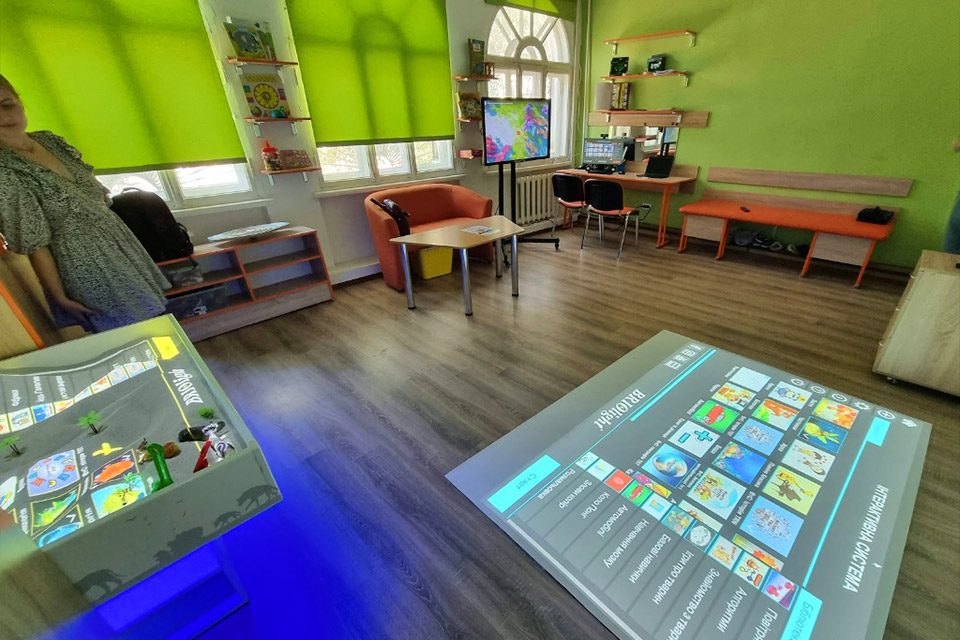
Interactive equipment opens up new possibilities for education, sand play and developmental activities. These ten ideas help educators and psychologists plan engaging sessions that encourage sensory exploration, communication and fine motor skills.
1. Tell a fairy tale. Children enjoy stories and cartoons. Introduce a familiar character into the activity, invent a new adventure together, or invite the child to decide what happens next.
2. Take care of the sandbox. Agree at the beginning that sand stays inside the sandbox. For younger children, explain this rule through a playful story: the sandbox is the sand's home, and the sand should not be scattered.
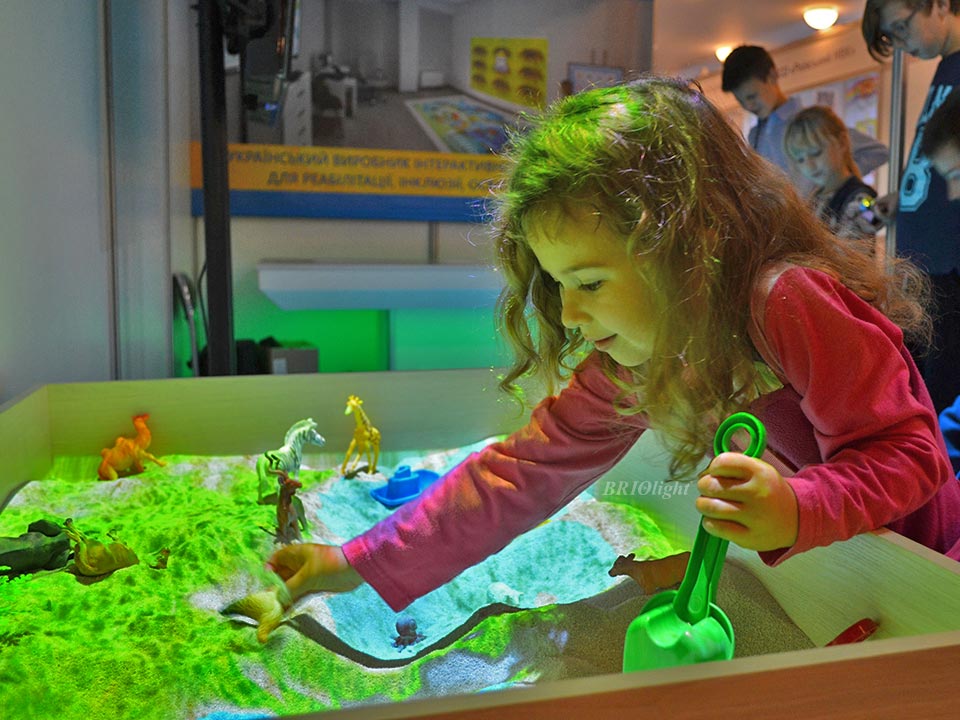
3. Get to know the sand. Before beginning, let the child make handprints, put their hands into the sand, stroke its surface, rub a little sand between their palms and describe its texture and temperature.
4. Free your hands. Ask the child to bury their hands in sand and uncover them by wriggling their fingers and gently blowing away the grains. This is a simple fine-motor activity.
5. Cave dwellers. Discuss animals that live in mountains, caves and dens. Ask the child to build a mountain, then hide an animal figure in the sand while their eyes are closed. The child feels for the figure and tries to identify the animal without taking it out.
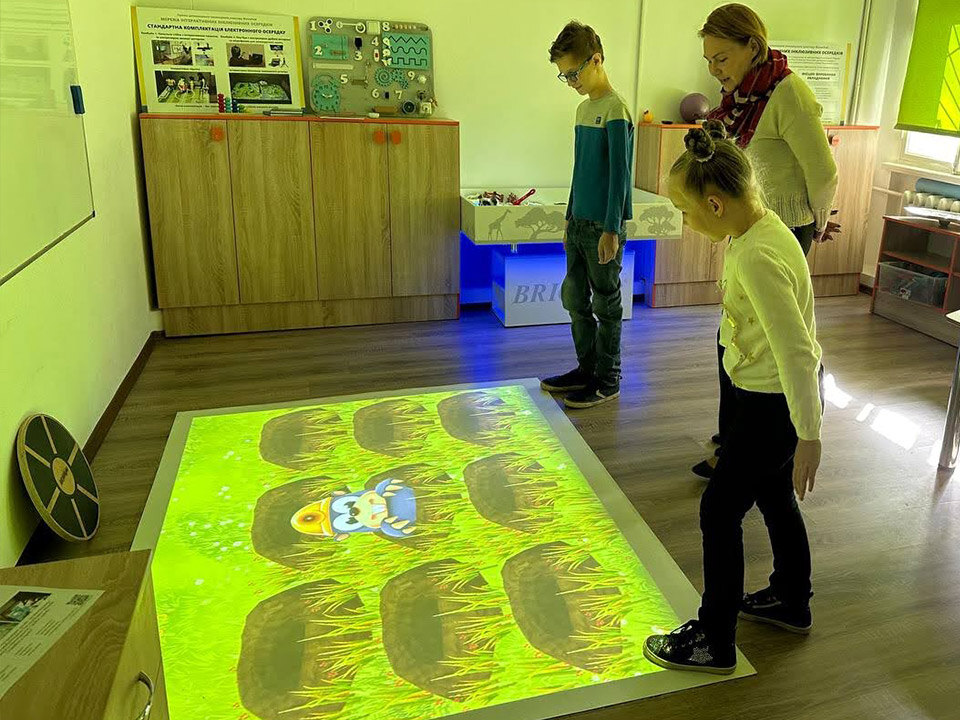
6. Play at being moles. Switch on the treasure-hunt scene. Draw a little mole face on the child's hand and invite them to carefully dig through the sand to find the hidden treasure.
7. Sand hide-and-seek. Shape a landscape with lakes, mountains and plains, and hide animal figures in suitable habitats. Ask where the fish, goat or bear might be hiding. For an extra challenge, add a figure that must remain buried – perhaps a dragon, a wicked magician or an underground insect.
8. Express emotions. If a child is upset or angry, invite them to build a large mountain representing those feelings and then flatten or break it down by pressing and squeezing the sand. Let the child choose how to participate.
9. Enchanted forest. Imagine that the child is a fairy or wizard visiting an animal friend. Show how “magic fingers” can walk through the sand, dig holes and create a house and surrounding landscape. Add other animals as neighbours. Introduce playful “magic words” such as “Let the trees appear!” and adapt new vocabulary to the child's age.
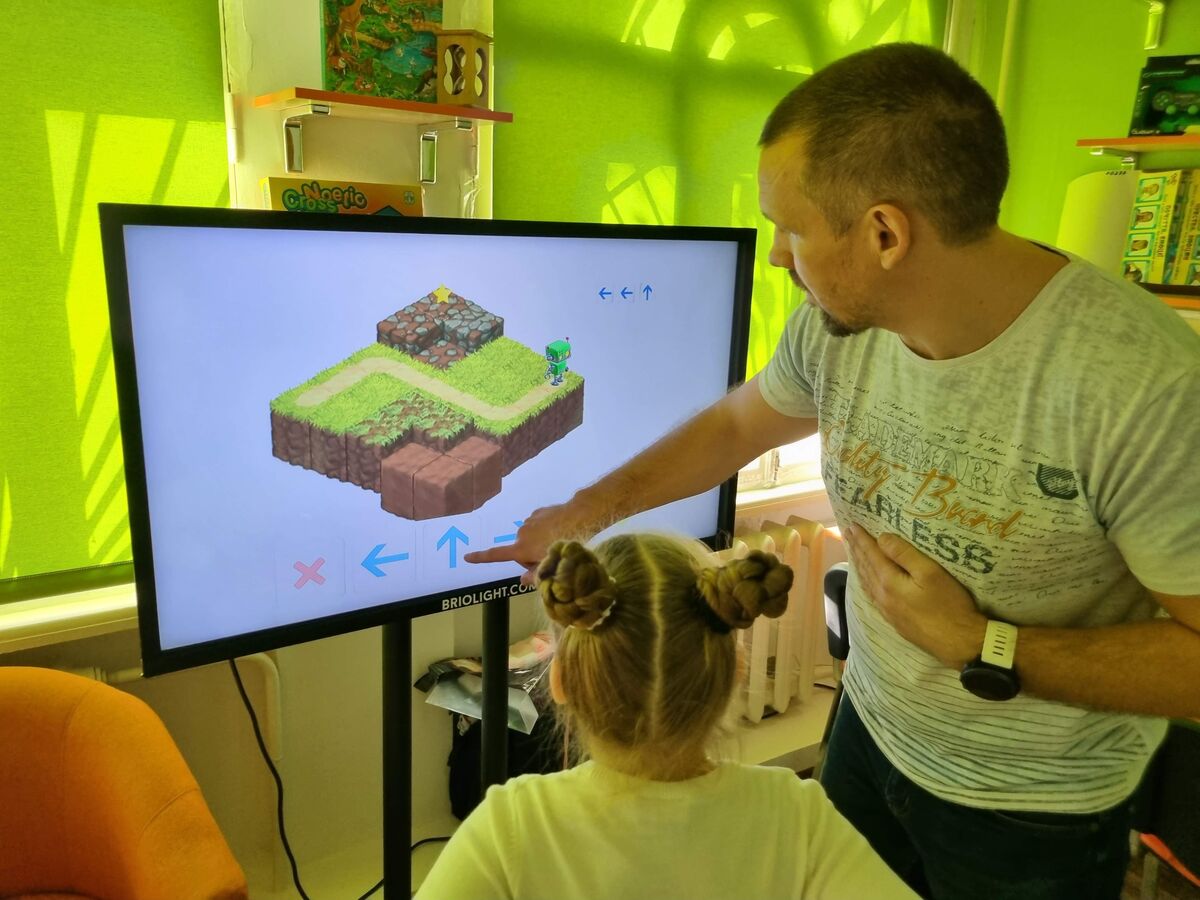
10. Follow the directions. Build paths, rivers and landmarks. Hide an animal, prize or treasure at the destination. The child chooses a figure and follows verbal instructions using left/right, up/down, above/below, behind/from behind and centre/corner until they reach the hiding place.
For information about Briolight equipment and activities, contact our team: +38 (063) 258-15-15 or +38 (063) 103-35-35.