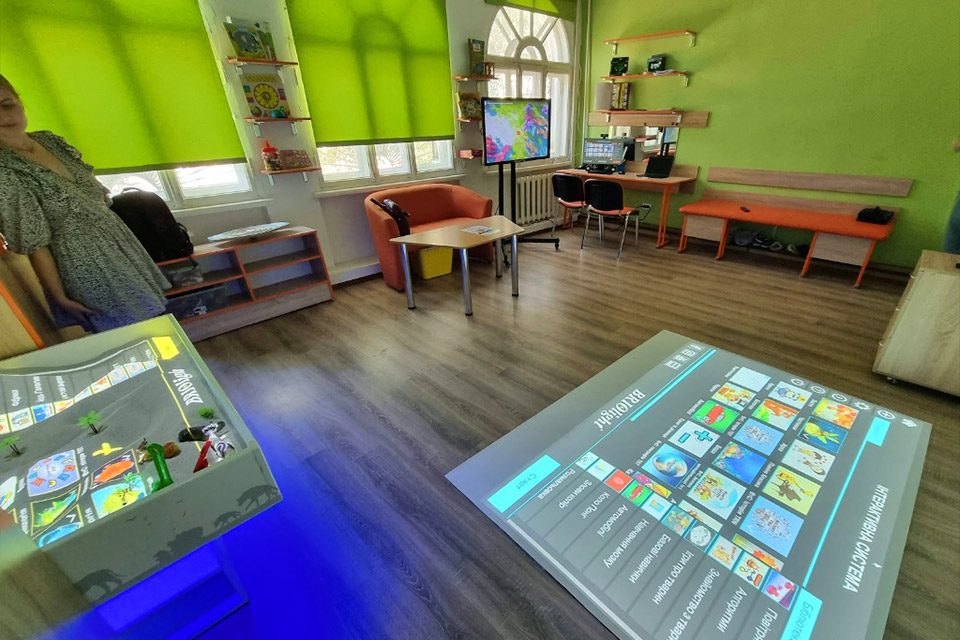
Inclusive Resource Centres (IRCs) play a key role in ensuring that children with special educational needs have access to quality education and developmental support services. Growing demand, the need for evidence-informed methods and multidisciplinary work place greater demands on centre equipment.
Current equipment requirements for IRCs
Ukraine's regulatory framework calls for a comprehensive approach to equipping these centres. Indicative equipment lists from the Ministry of Education and Science include:
- multimedia and computer equipment;
- interactive sensory modules;
- developmental support and assessment materials;
- specialised furniture and teaching aids.
In practice, centres often need a wider range of digital tools and programmes to support children with autism spectrum disorder, speech difficulties, and cognitive and sensory challenges.
Practical solutions: What is useful in 2025–2026?
IRCs are increasingly moving beyond basic equipment towards interactive environments for specialist-led sessions. Particularly relevant solutions include:
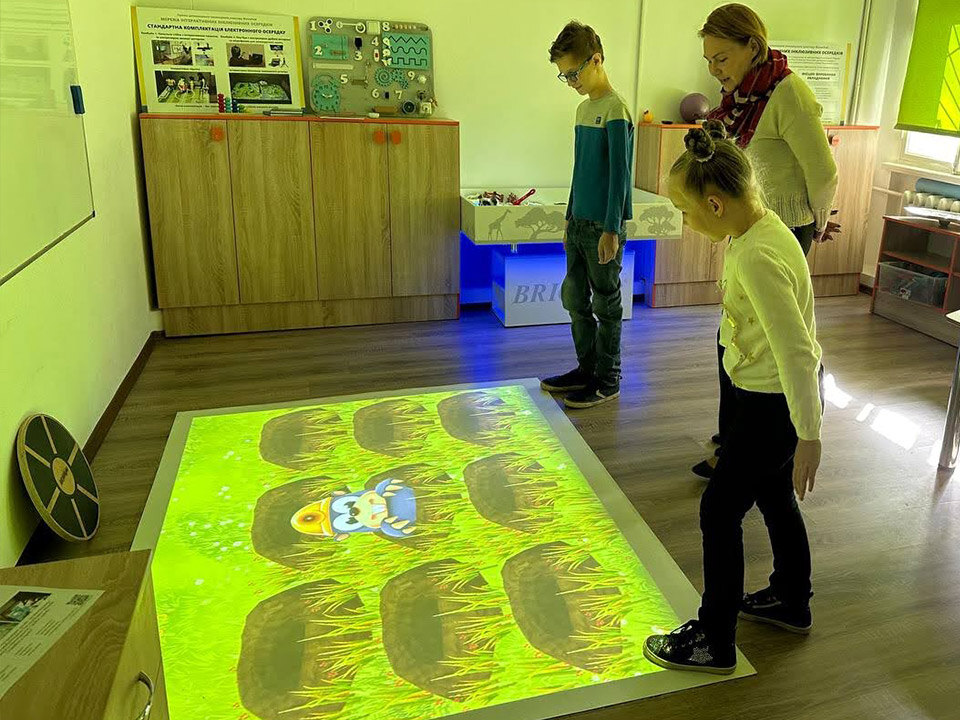
- Interactive floors and panels. These combine movement with cognitive tasks and support coordination, attention and social interaction.
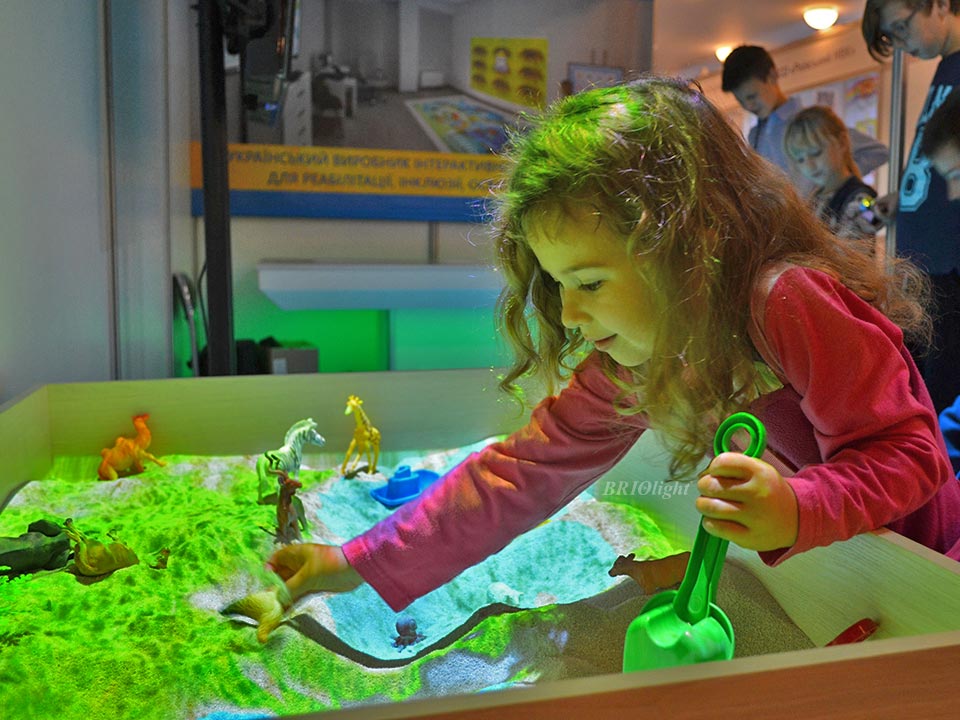
- Projection-based interactive sandboxes. These can be used in activities targeting sensory processing, fine motor skills, spatial thinking and emotional regulation.
- Sensory rooms. These combine light, sound, tactile and vestibular stimuli, which can be useful when supporting children with sensory processing difficulties.
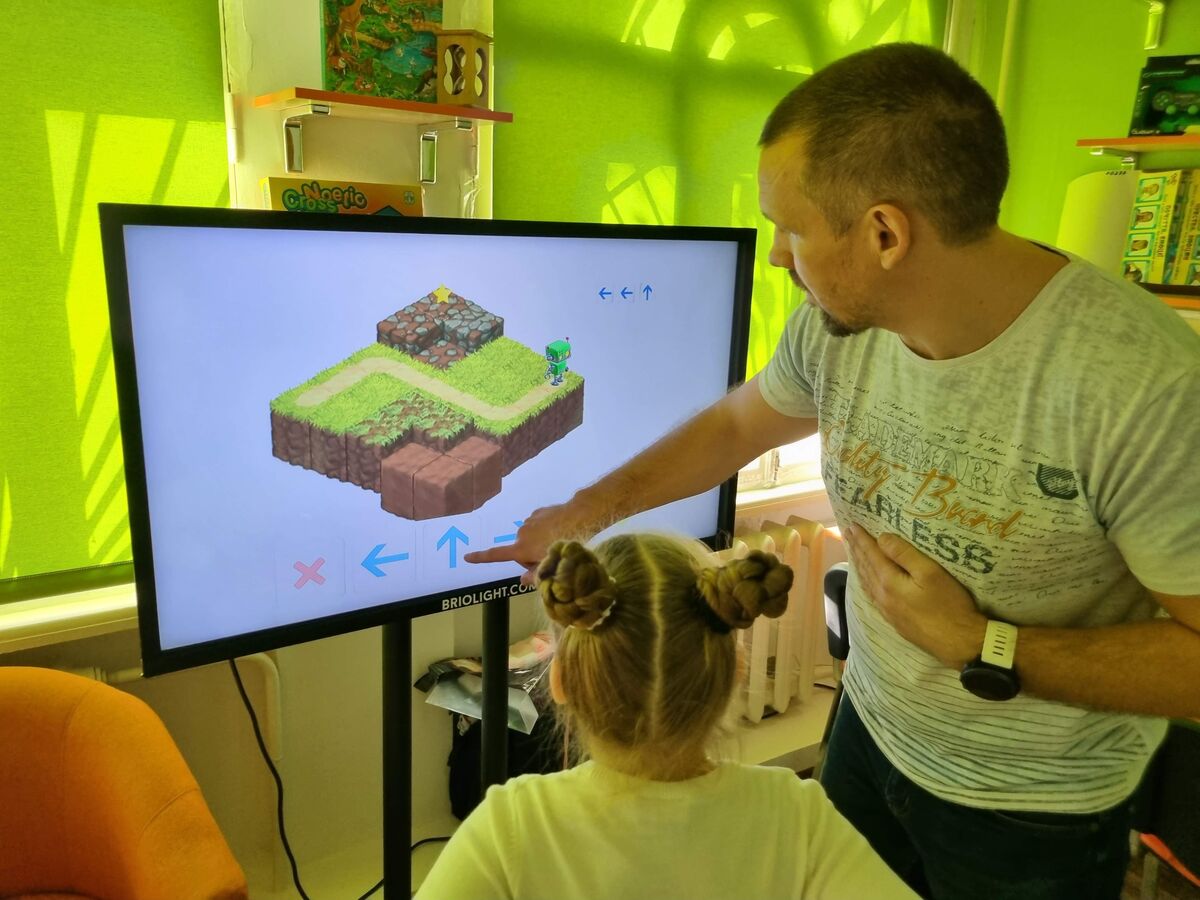
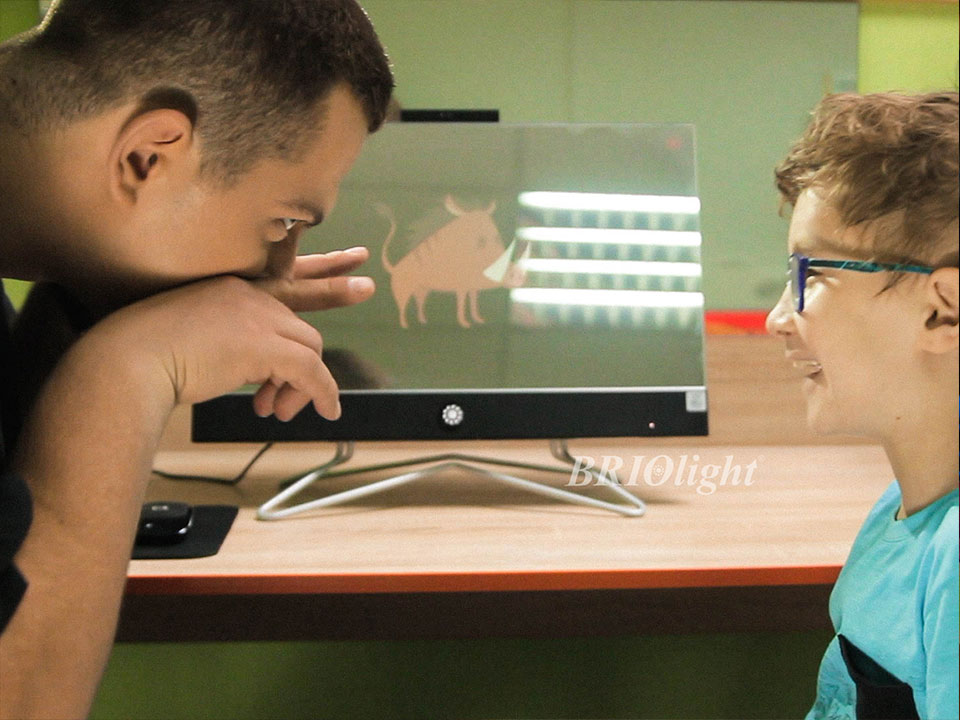
- Digital developmental support programmes. Gamification and individualised activities provide additional tools for speech therapists, psychologists and special education professionals.
Using these solutions together allows professionals to bring motor, sensory and cognitive activities into a coordinated environment.
Focus on long-term value
Investing in interactive equipment for an IRC is not simply about meeting requirements. It can also support the community's long-term development. Modern solutions can:
- improve the organisation of assessments and sessions;
- expand the range of services provided;
- help reduce the workload of specialists;
- strengthen confidence in the centre and its founding organisation.
Conclusion. In 2025–2026, an effective IRC combines evidence-informed methods with interactive technologies. Well-planned digital equipment can help centres address contemporary educational needs and offer more comprehensive support to children.