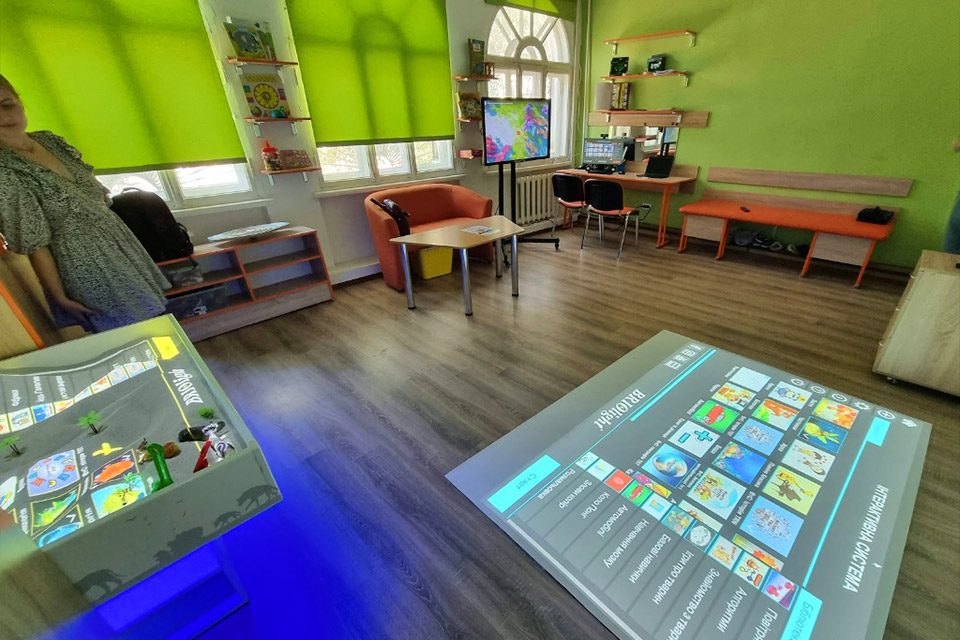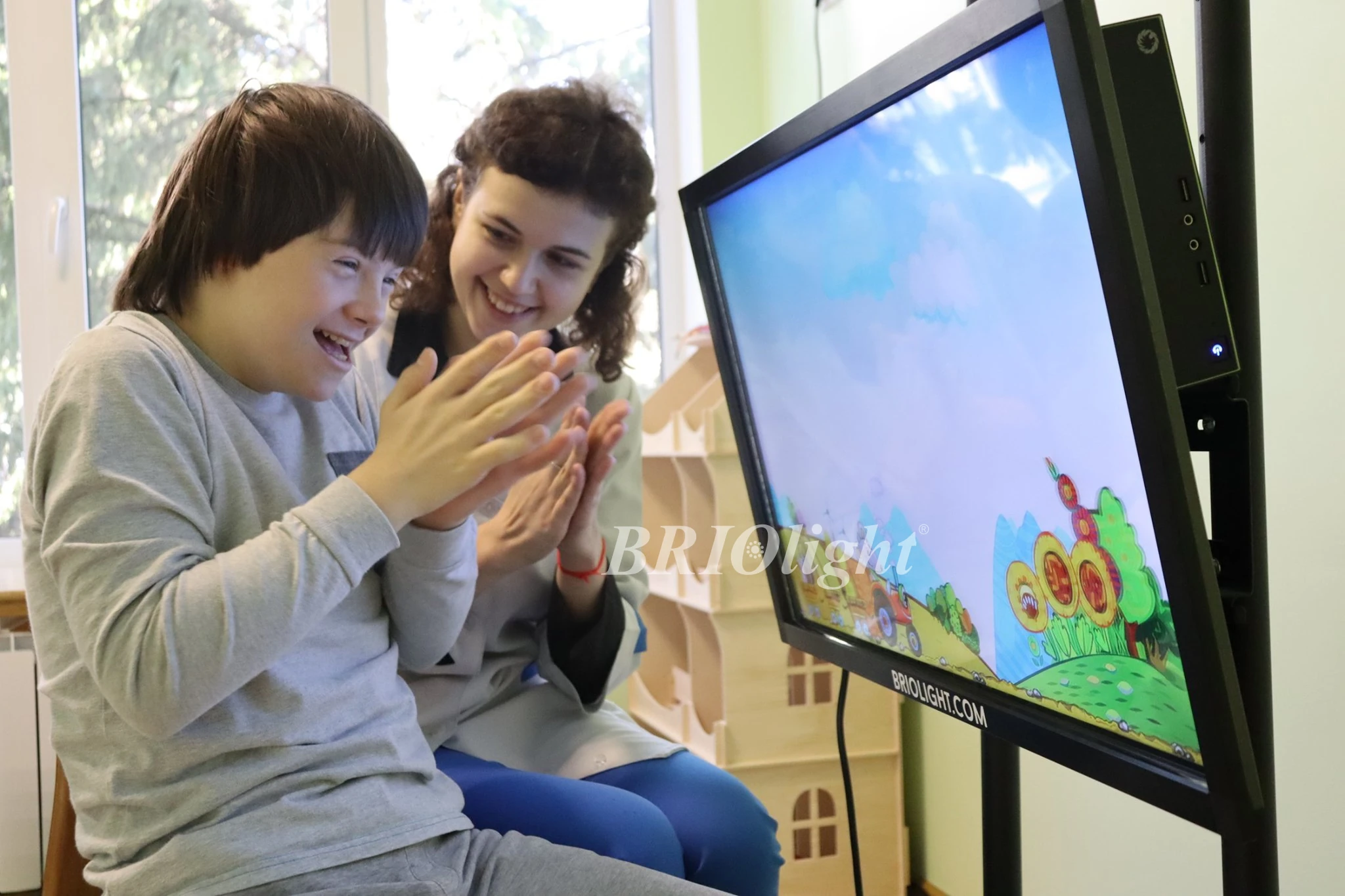
Rehabilitation after injury, surgery or neurological conditions may involve physical, cognitive and psychological support. Interactive tools can help professionals present structured activities in an engaging format.
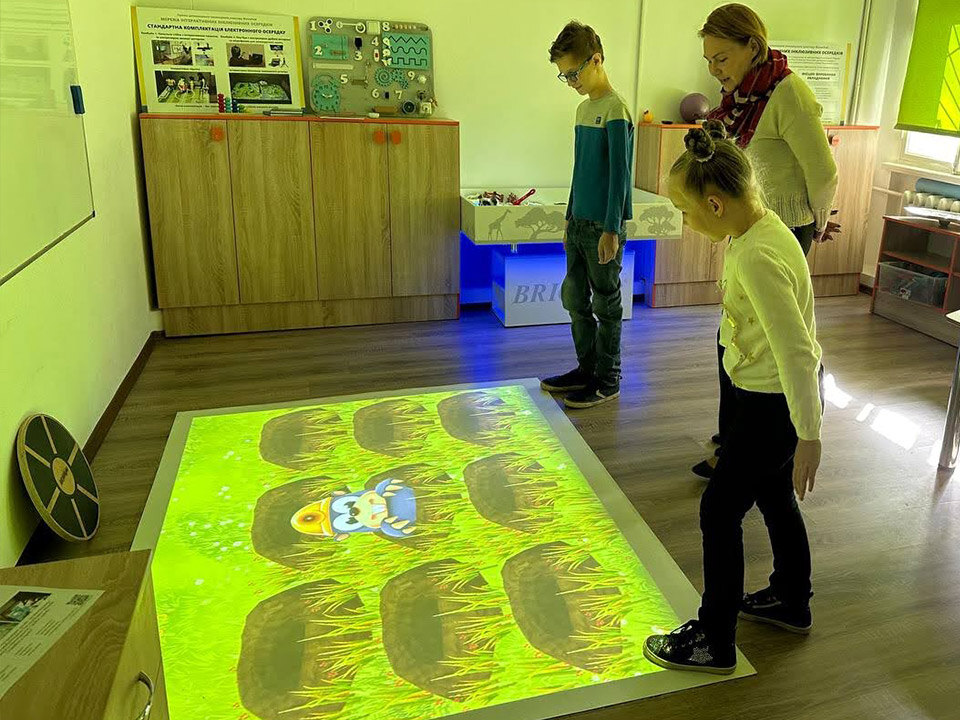
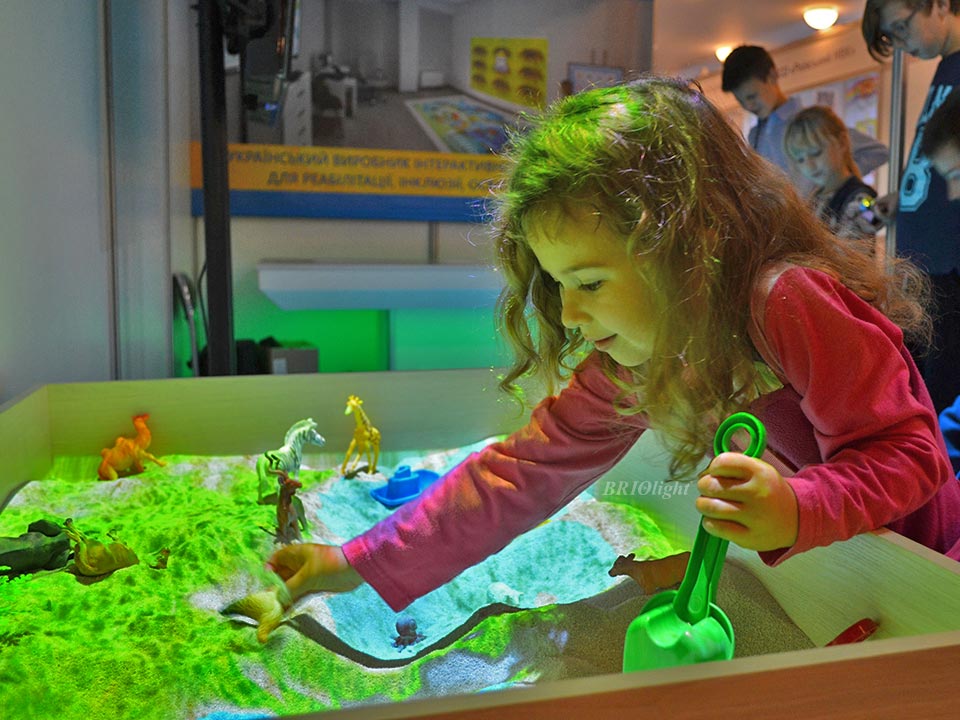
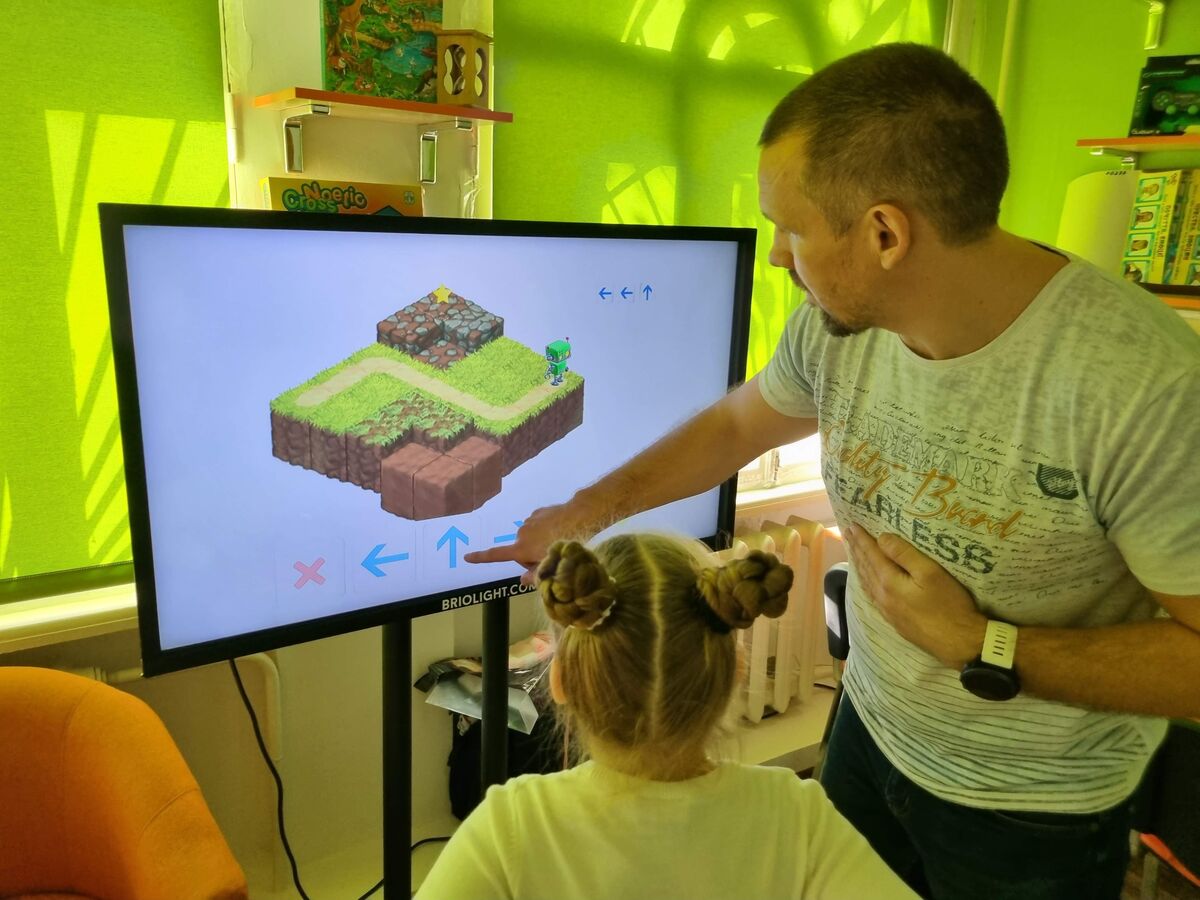
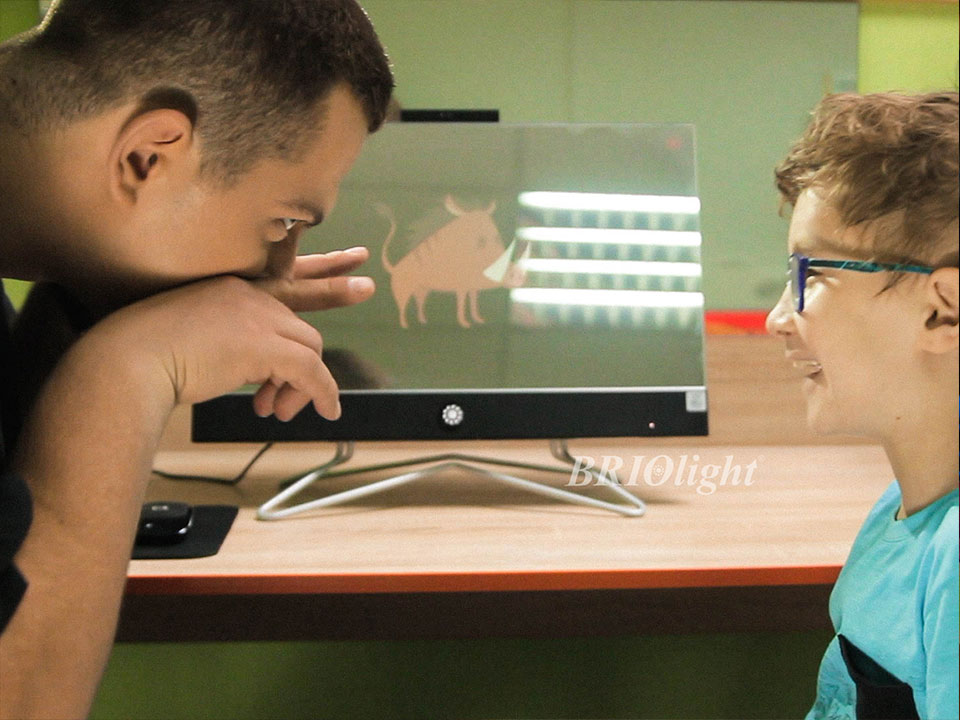
Briolight's historical equipment range included interactive floors, sandboxes, touch panels, gyroscopic controllers and other digital systems. These tools enabled participants to interact with exercises through movement, touch and visual feedback.
Motivation. Games and responsive images can encourage participation in repeated tasks, when those tasks are appropriate for the person.
Individual adaptation. Professionals may adjust the content and difficulty to a participant's abilities and rehabilitation plan.
Sensory and motor activities. Systems can provide tasks involving coordination, movement planning, visual attention and other functions, depending on the hardware.
Psychological comfort. Some people may find playful activities less intimidating than conventional exercises. Preferences and sensitivity to stimuli differ, so the environment must be adjusted accordingly.
Monitoring. Certain software configurations may record activity and progress. Measurements should be interpreted in context and are not automatically equivalent to validated clinical outcomes.
These devices are intended to assist qualified teams, not to replace established methods. Claims of rehabilitation effectiveness require product-specific and condition-specific evidence.