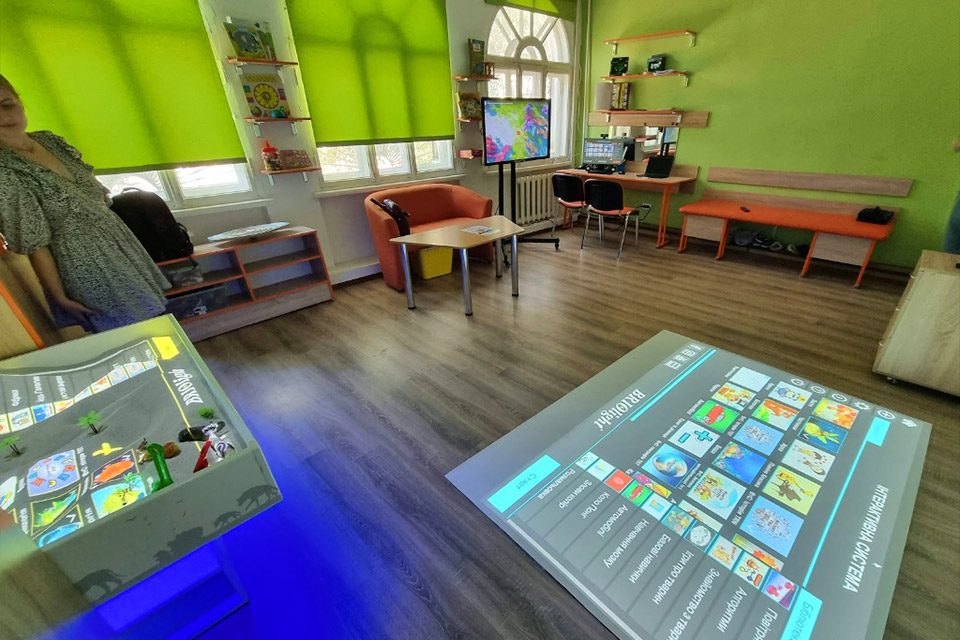
Interactive learning encourages pupils not only to receive information from a teacher but also to explore problems, exchange ideas and use different materials. Its methods include brainstorming, group projects, role-play, simulations and multimedia activities.
Advantages: ready-to-use activities. Interactive devices may provide exercises, visual effects and methodological suggestions, reducing some of the time needed to prepare and organise tasks.
Communication and teamwork. Shared tasks give children opportunities to negotiate, explain their thinking, practise collaboration and find compromises.
Creative thinking. Open-ended exercises may support imaginative problem-solving and new ways of approaching familiar topics.
Multiple ways of presenting content. Images, graphs, sound, video and responsive tasks can make a concept more accessible to different learners. However, technology does not automatically improve wellbeing or learning outcomes.
Limitations: training. Teachers need familiarity with computers and specific devices to use them confidently and safely.
Adaptation. Some children need more time to become comfortable with unfamiliar sensory or interactive experiences.
Variety of methods. Relying on one device can narrow classroom activities. Combining digital and non-digital approaches provides flexibility.
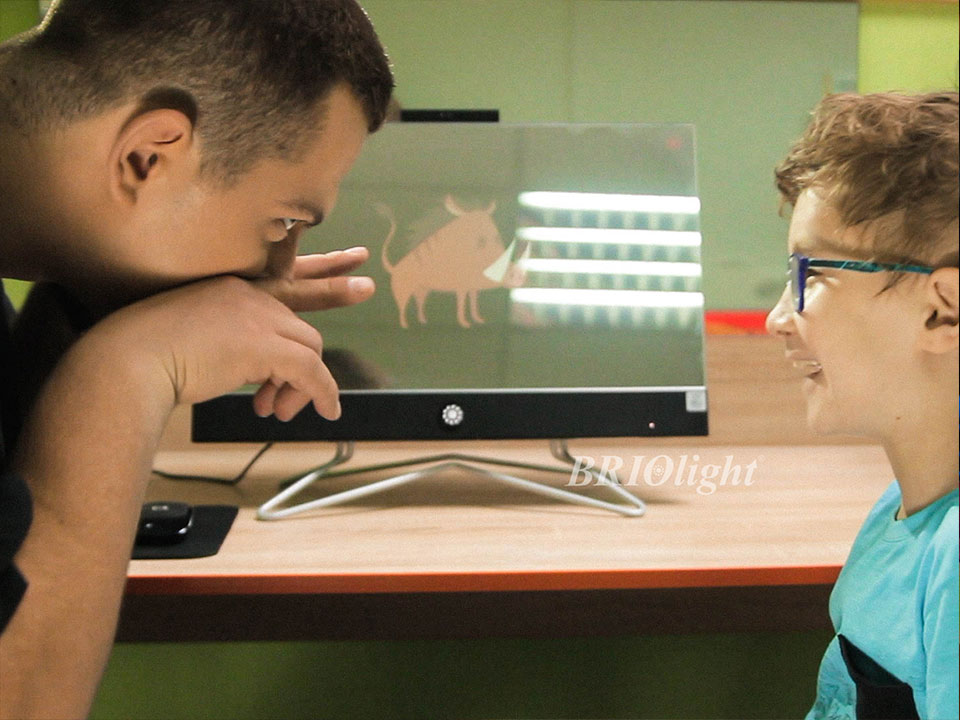
Individual safety. Some visual effects, especially flashing or high-contrast patterns, may be unsuitable for learners with photosensitive seizures or other sensory sensitivities. Follow individual support plans and professional advice.
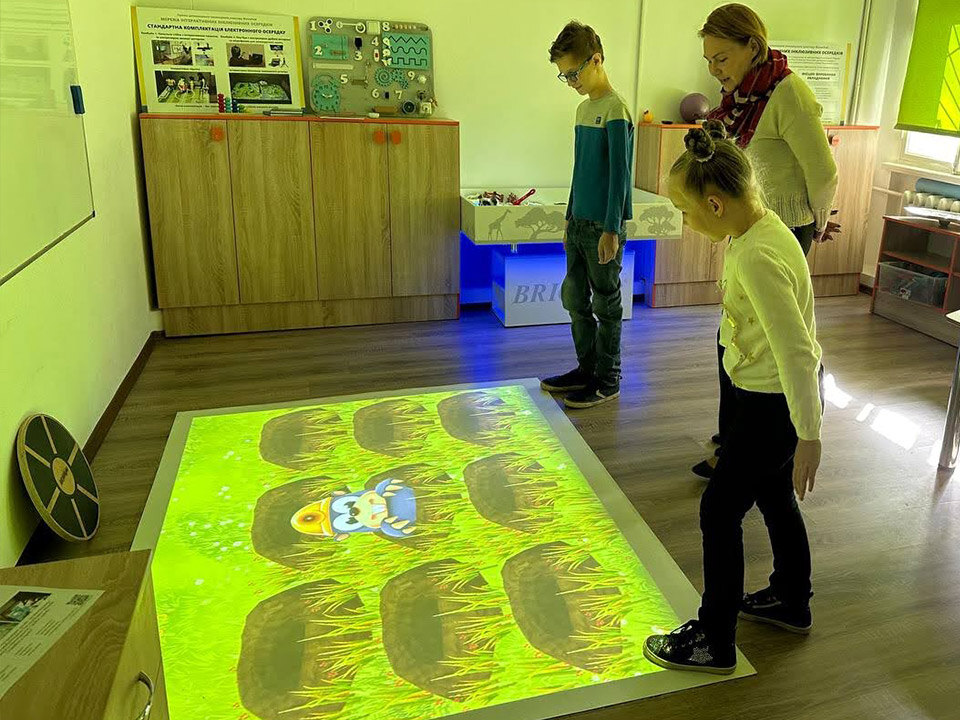
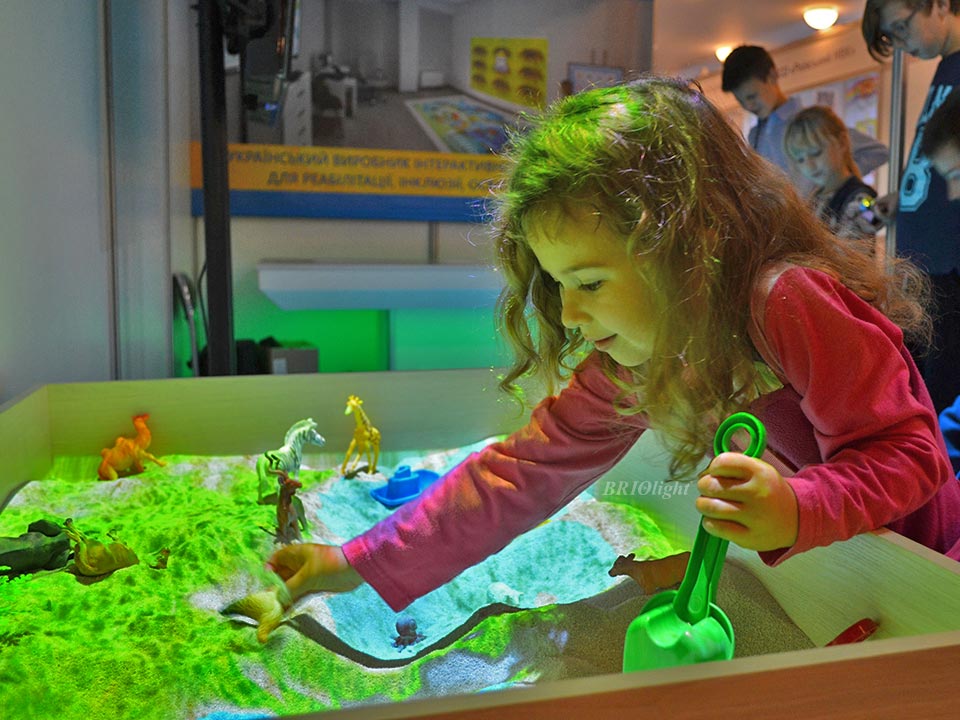
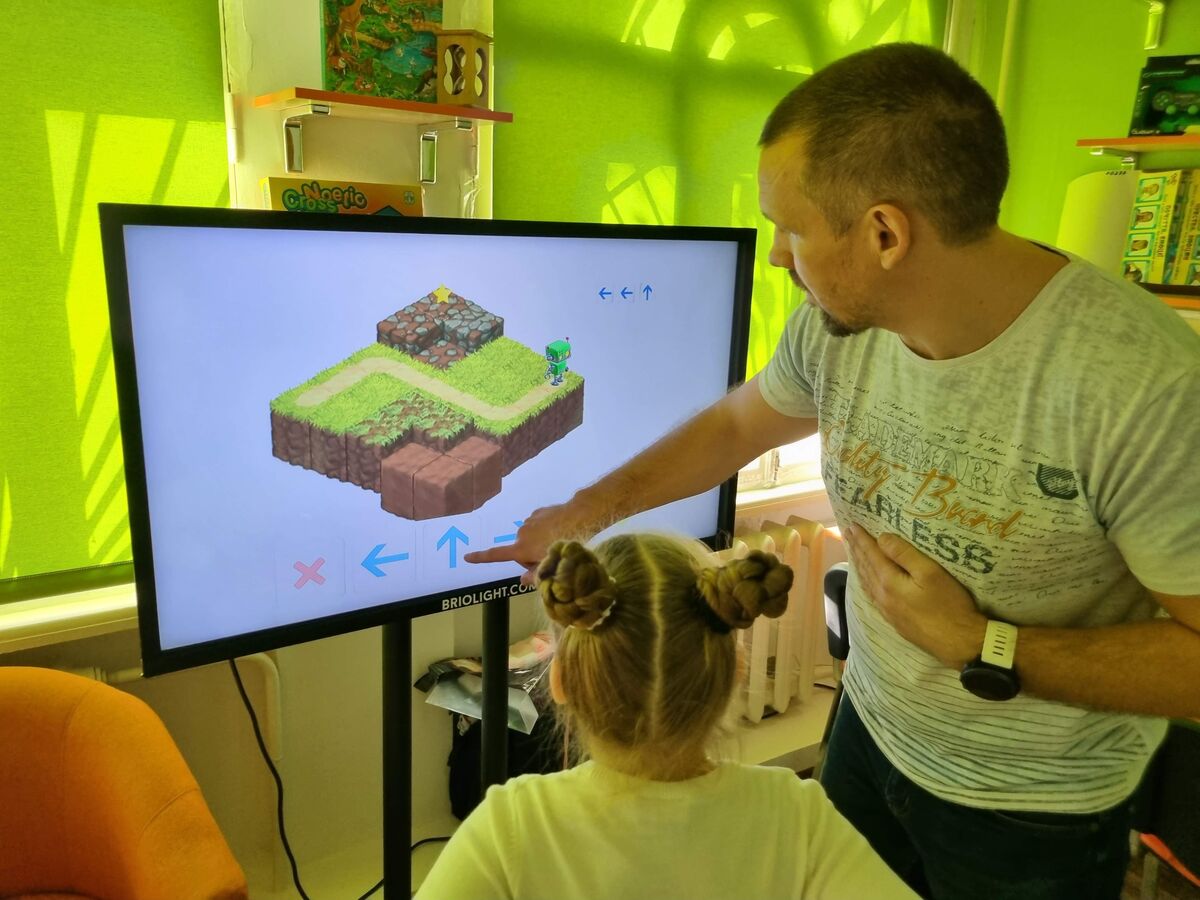
Tools. Briolight's educational range includes interactive panels and tables, projection floors, sandboxes and equipped sensory rooms.
Interactive learning works best when tools serve well-defined educational objectives and teachers can adjust activities to pupils' needs.